

about black-tech
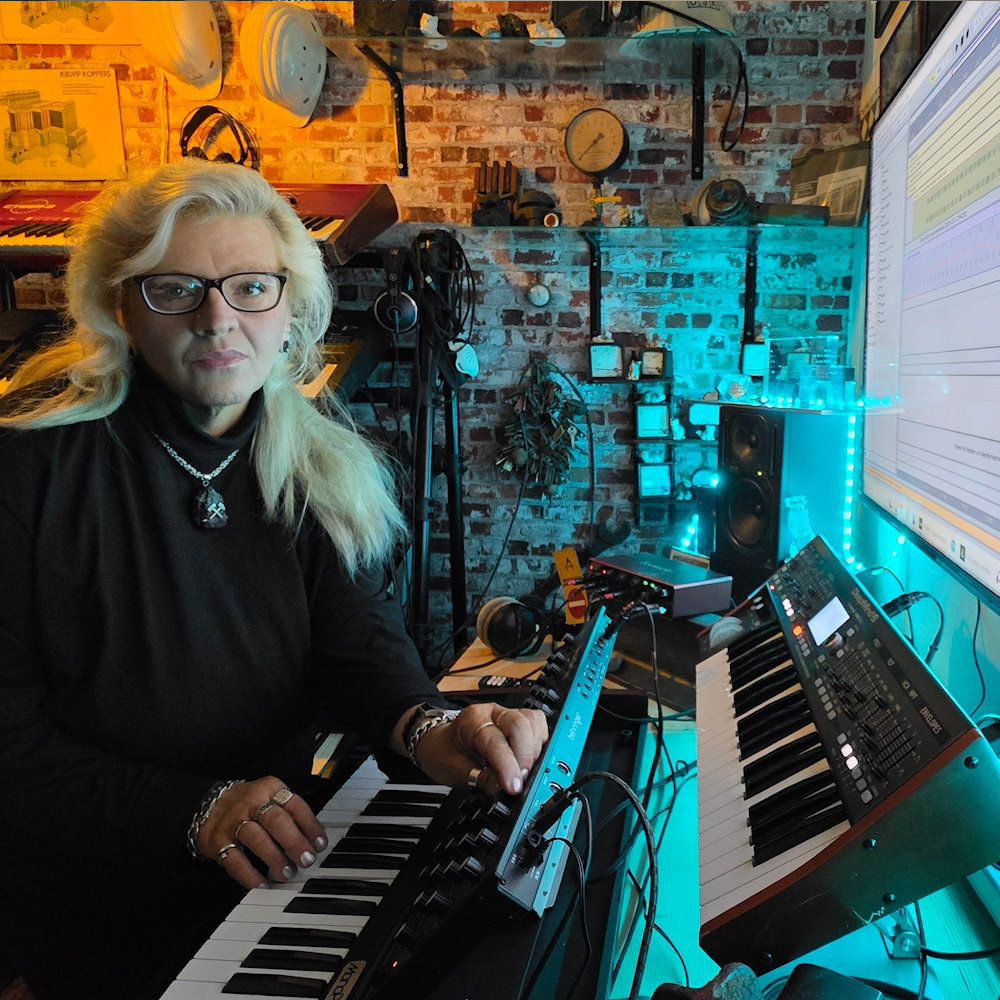
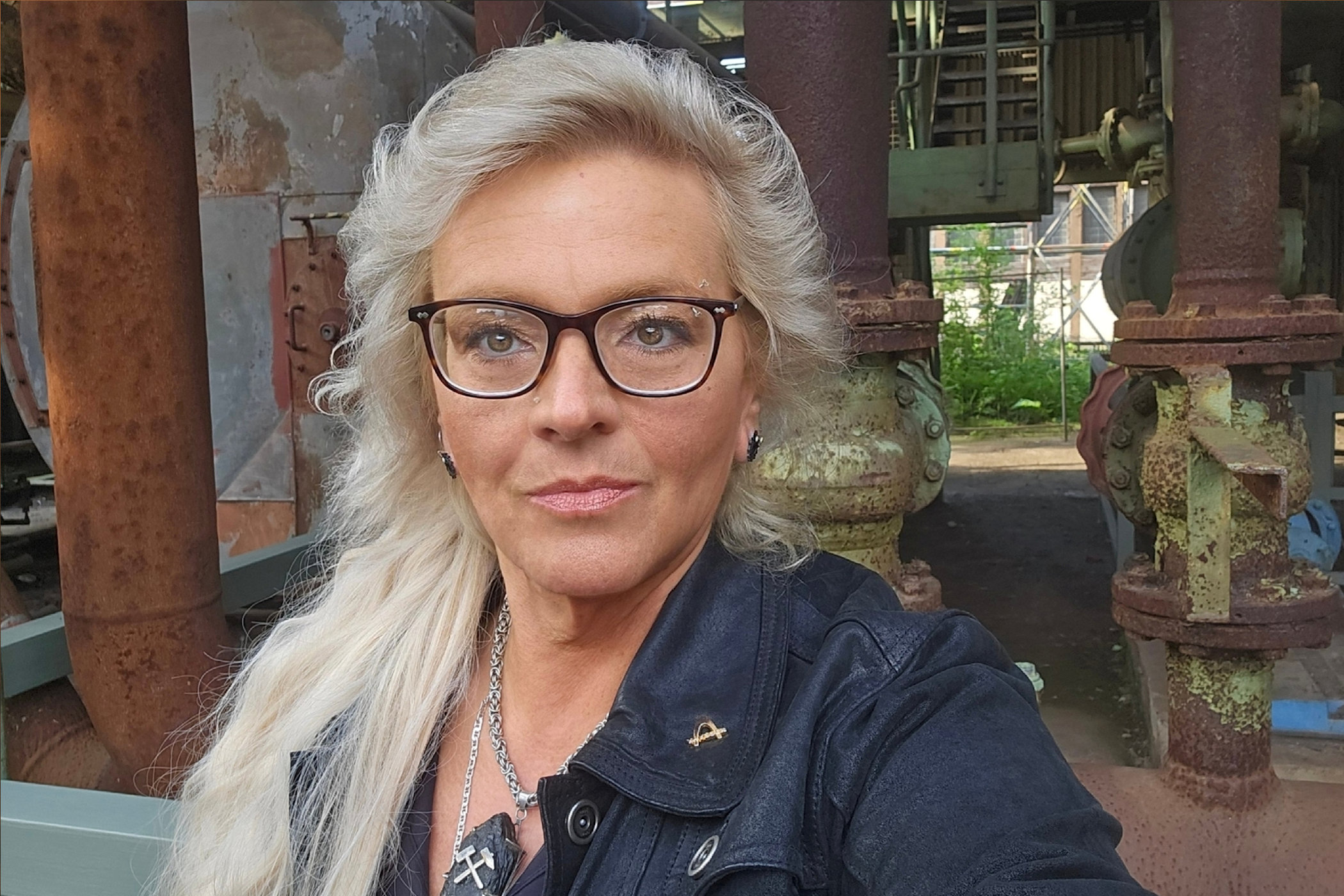
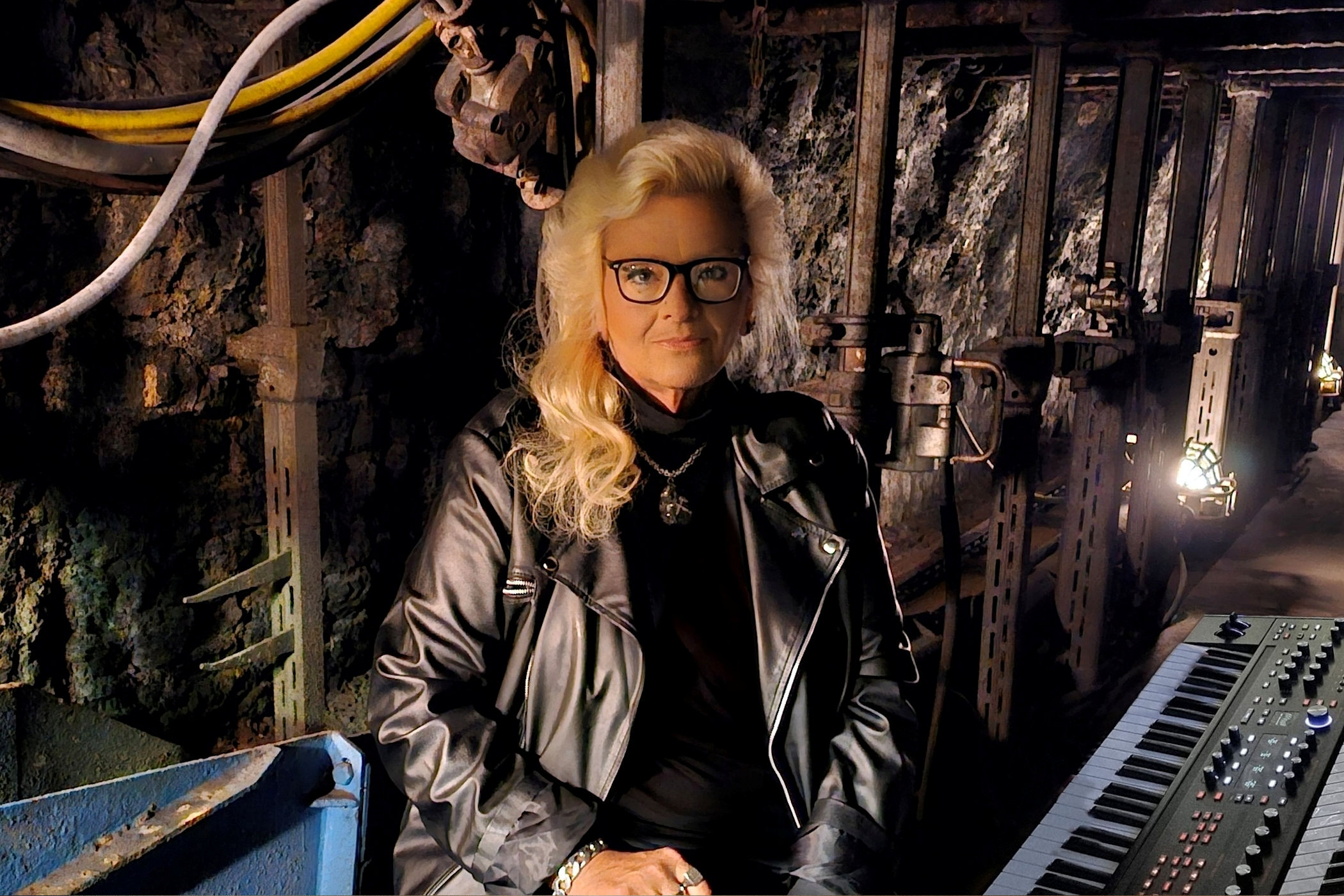
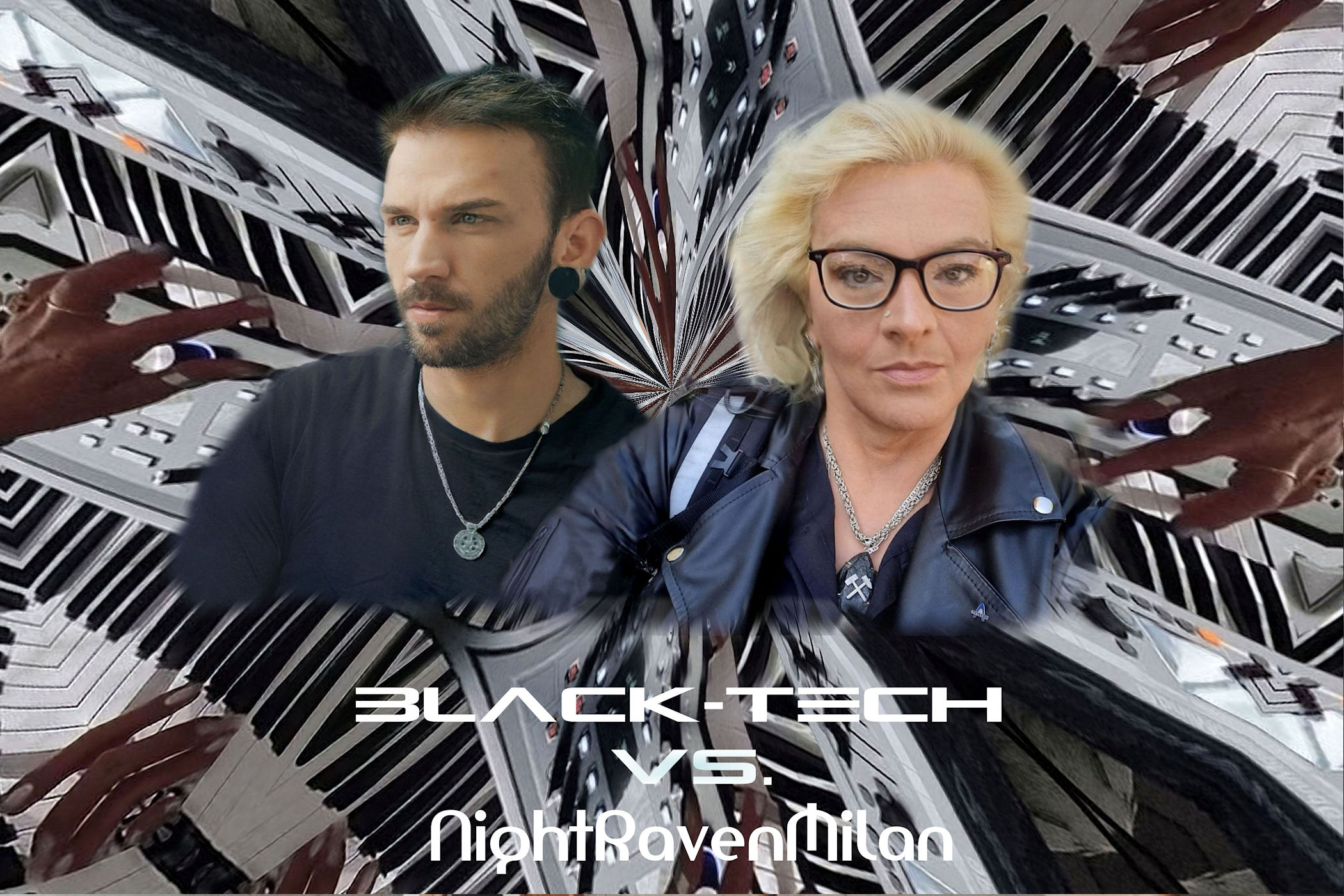
black tech is a musician and visual artist. Growing up near the Oberhausen Blast furnace plant and steelworks (HOAG/TNO), she was shaped early on by the images and sounds of heavy industry: the red glowing sky during blast furnace tapping, the rhythmic motion of the rolling mills, and the monumental presence of steel, heat and machinery. This industrial landscape became a central element of her perception and later of her artistic expression.
Her childhood was marked by difficult family circumstances. A constant source of stability was the close relationship with her father, who worked in a rolling mill himself. Through him, the emotional connection to the industrial working environment remained intact. After freeing herself from this early burden, she entered another challenging relationship that distanced her from her artistic interests for many years and nearly brought her musical work to a halt.
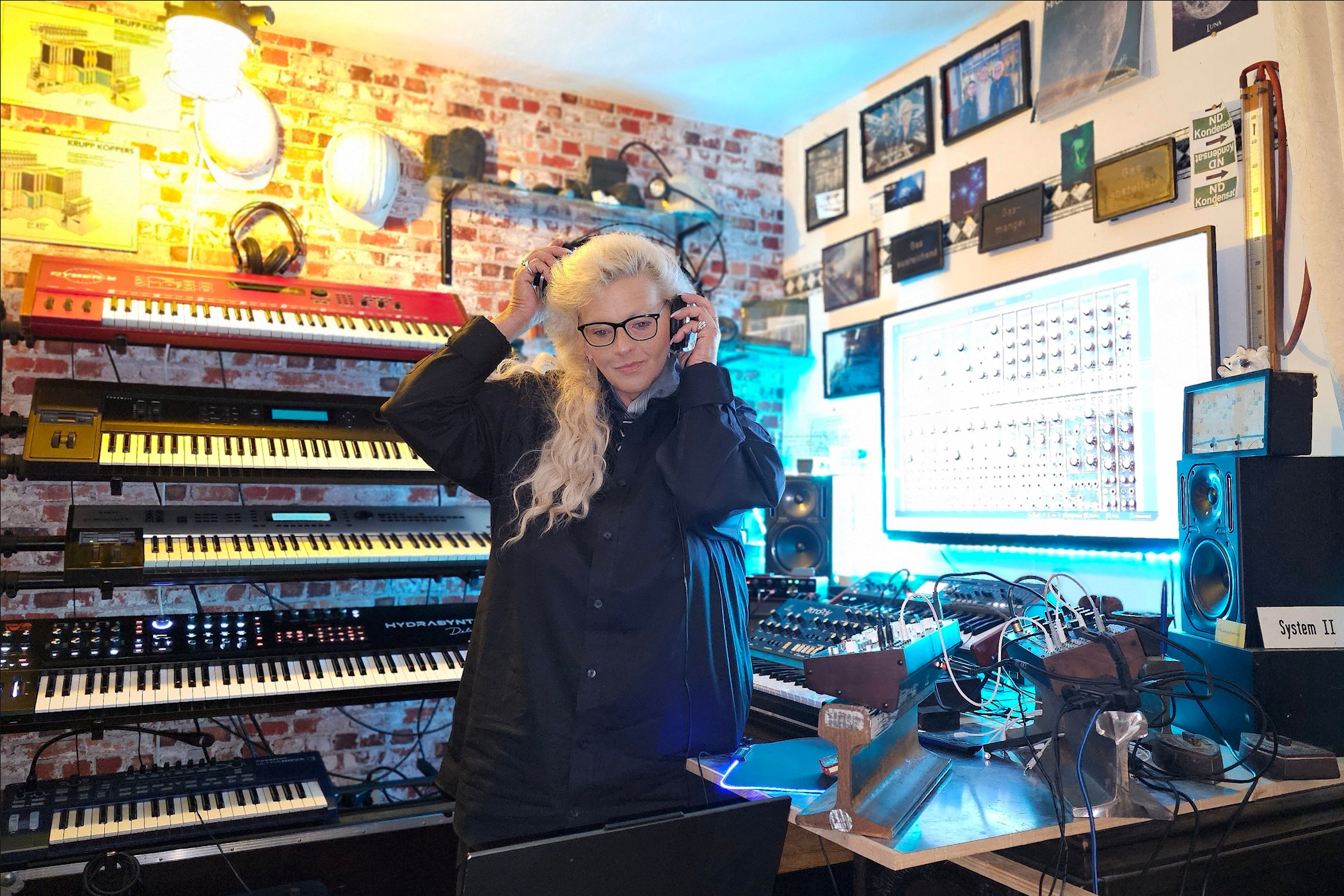
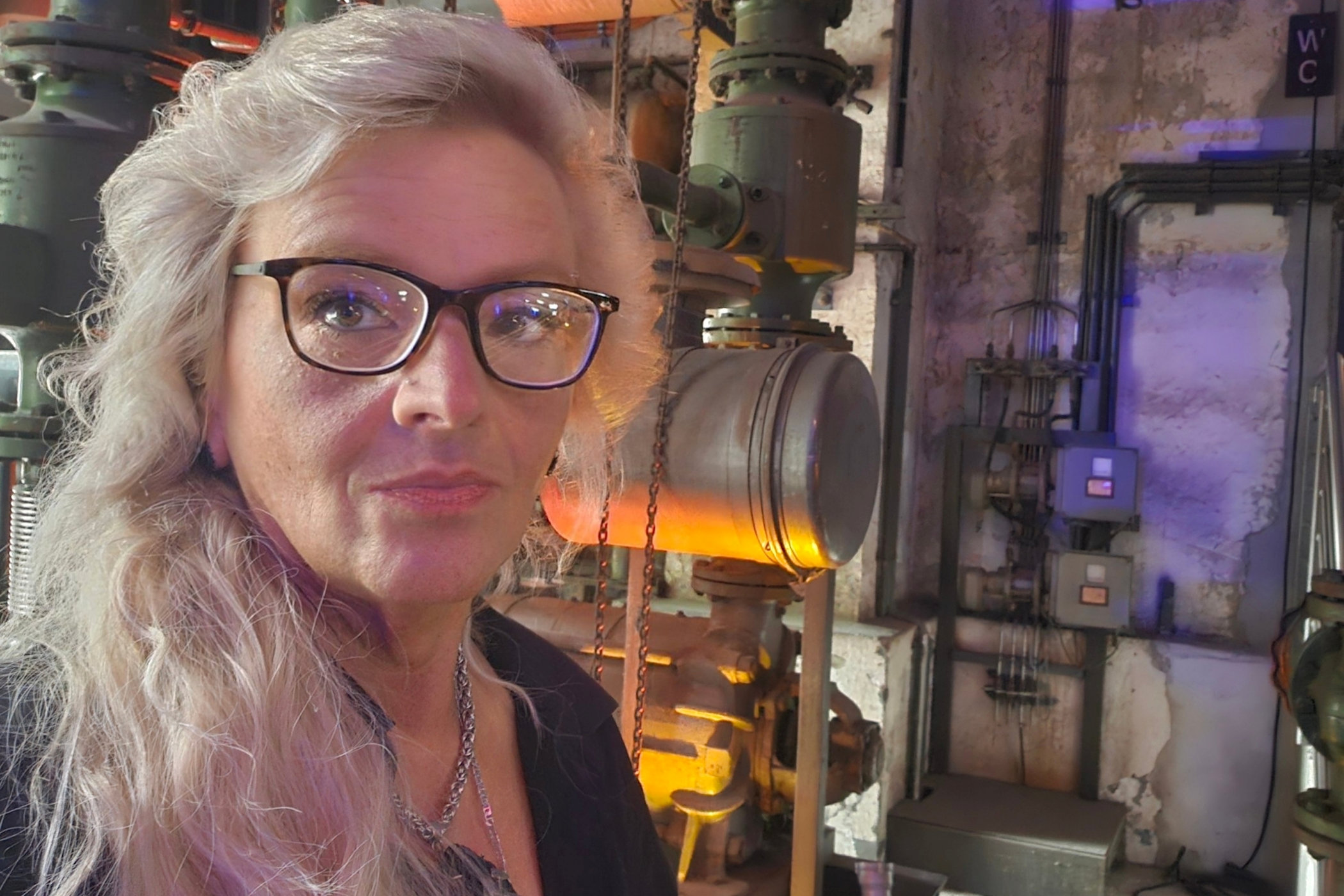
After the end of this exhausting and draining phase of life, she rediscovered her artistic identity. She returned to electronic music and continued developing her characteristic sound. In her compositions, she combines her deep connection to the world of coking plants - the fire in the heating lines, the glowing coke in the quench car, the ascension pipes, the networks of tubing and the precise, ever repeating cycles of the processes with her fascination for astronomy and science fiction. Charging and quench cars become sources of sound, steel structures turn into atmospheric spaces in which energy, transformation and time become audible.
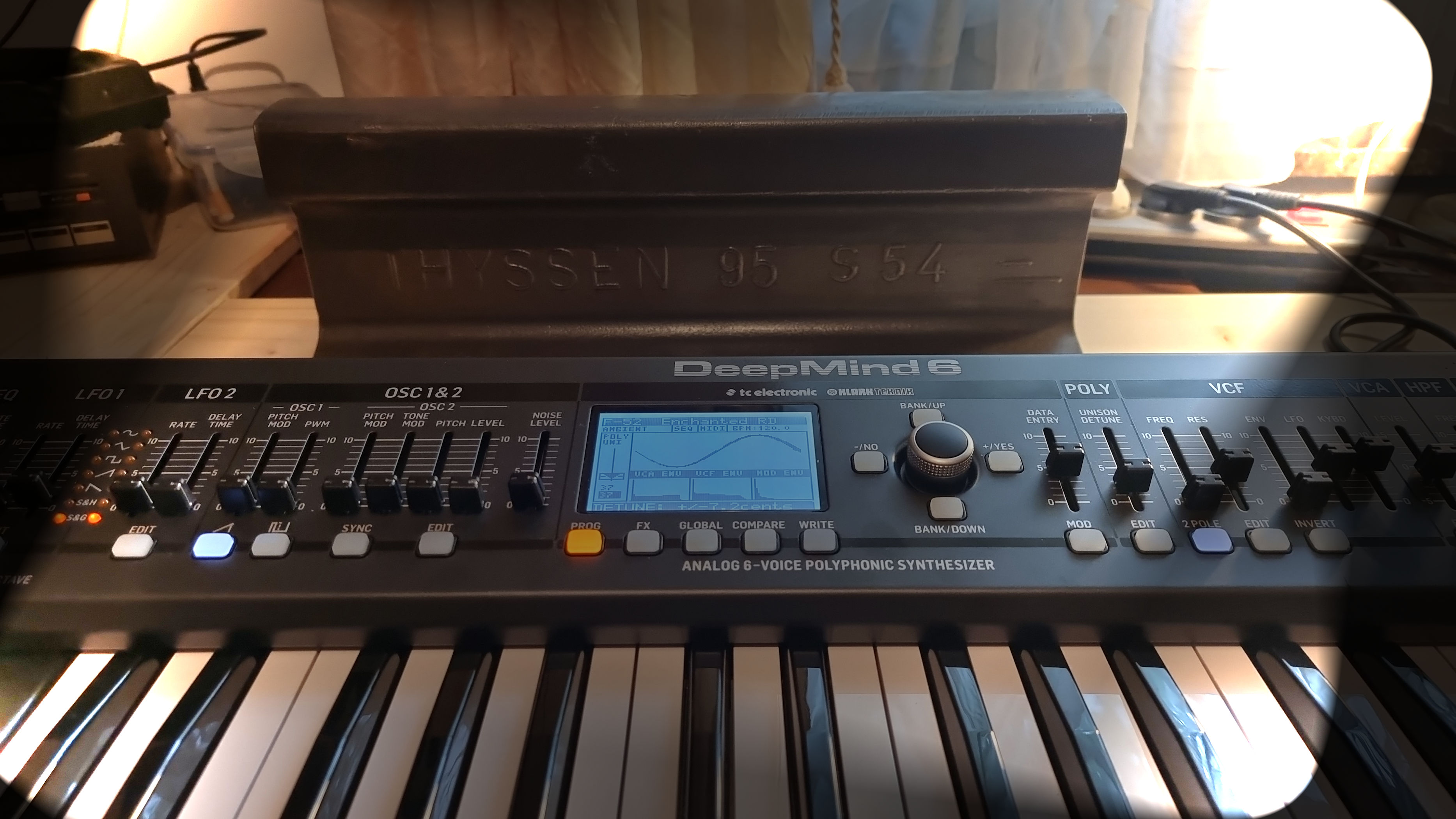
black tech develops a distinctive sonic language between electronica, downtempo, dark ambient, industrial and experimental electronics. Her tracks are characterized by machine like rhythms, metallic timbres and real sounds from the coking plant, captured through field recordings. In recent works, a pronounced preference for sub bass structures has emerged, complemented by futuristic soundscapes that evoke associations with science fiction and technical realms of imagination.
The track "Hochofen A" is exemplary of this approach: it deliberately avoids conventional song structures and relies on an atmospheric progression in which sound, space and rhythm merge into an acoustic architecture. Industrial noises function as structural elements, while futuristic sound design opens the sonic space toward the future.
The core of her work remains the coking plant. Fire, coal, water and air: the four elements of the processes, inspired by the Greek philosopher Empedocles, form the foundation of her visual and musical language. This is complemented by chemical and astronomical parallels: compounds such as anthracene, found both in raw tar and in interstellar space, connect industrial reality with cosmic vastness. The result is an art that emerges from processes, matter and energy, translating them into sound and image.
Gallery